
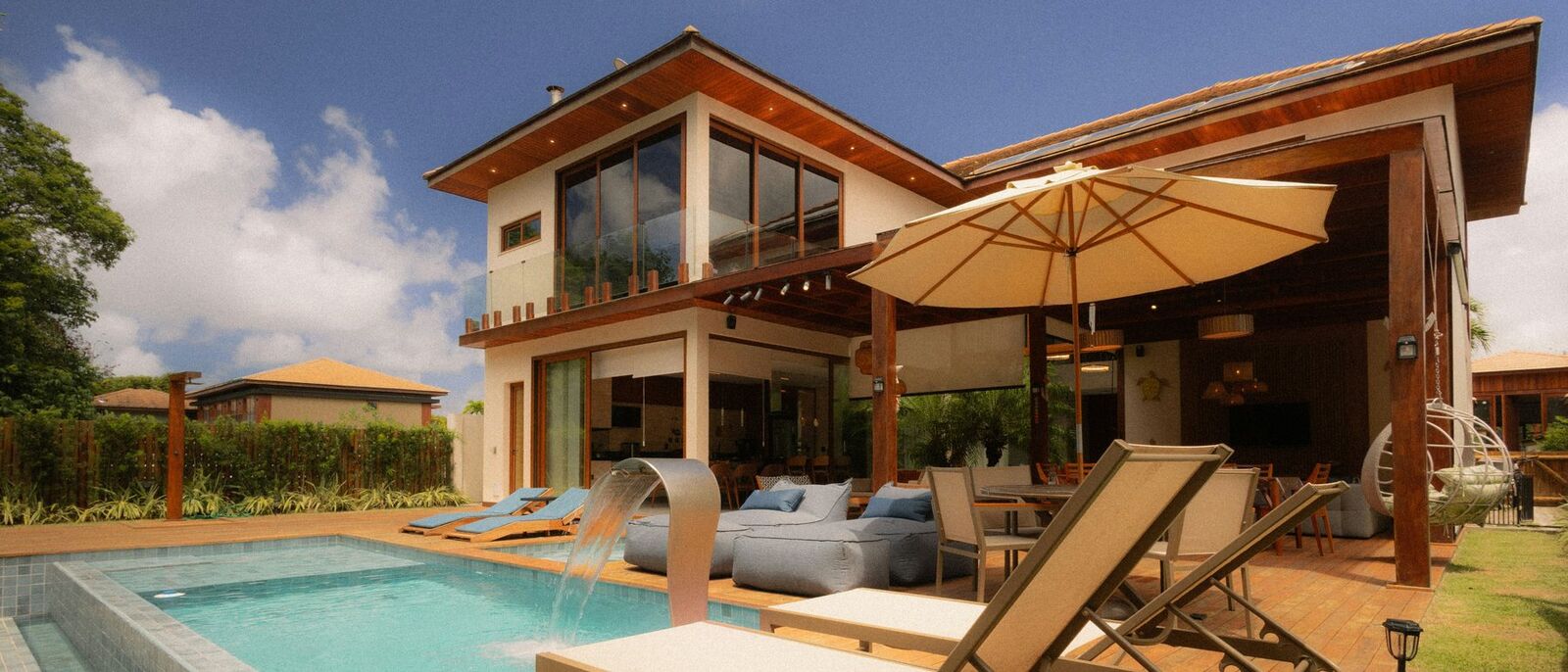
Photographs must attract attention and, at the same time, help to understand the property. If they create false expectations, they increase unnecessary visits and reduce trust.
Before the Shot
- Prepare a list of rooms and amenities.
- Remove family photos, documents, plaques, and other personal data.
- Clear pathways and surfaces without making the house unrecognizable.
- Unify lamps and natural light; avoid completely white windows.
During Shooting
- Keep the camera at a consistent height.
- Ensure that vertical walls and furniture do not converge.
- Use a moderate wide-angle lens: it should explain, not distort.
- Show the connections between rooms.
- Photograph the exterior, entrance, view, and amenities when authorized.
Selection and Publication
- Arrange the gallery like a tour route.
- Adjust brightness, color, and perspective without removing real flaws.
- Check cropping and readability on phone, desktop, and kiosk.
The cover should summarize the main point of interest and remain understandable even in a small format. Duplicates, decorative details, and dark photos should be minimized; the floor plan and images must tell the same layout.
Virtual Staging and Artificial Intelligence
If an image adds furnishings or modifies the scenario, state it clearly and also keep the real photograph. Do not alter views, surfaces, openings, maintenance status, or elements that influence the decision.
Final Check
Compare gallery, description, and file. No recognizable person, private data, or unauthorized element should be published. Originals should be kept in the assignment archive, not just on the operator's phone.
Real estate insight, without the noise.
Markets, homes, investments and places explained by RE.ONE network professionals.
Explore the Magazine
Comments
No comments yet. You can be the first to join the conversation.